Coccothrinax borhidiana
Pronunciation: (koh-koh-TRIH-naks) (bor-hid-ee-AHN-ah)
Common names: Borhidi’s Palm; Guano de costa (local)
Family: Arecaceae | Subfamily: Coryphoideae | Tribe: Cryosophileae
Botanical Description
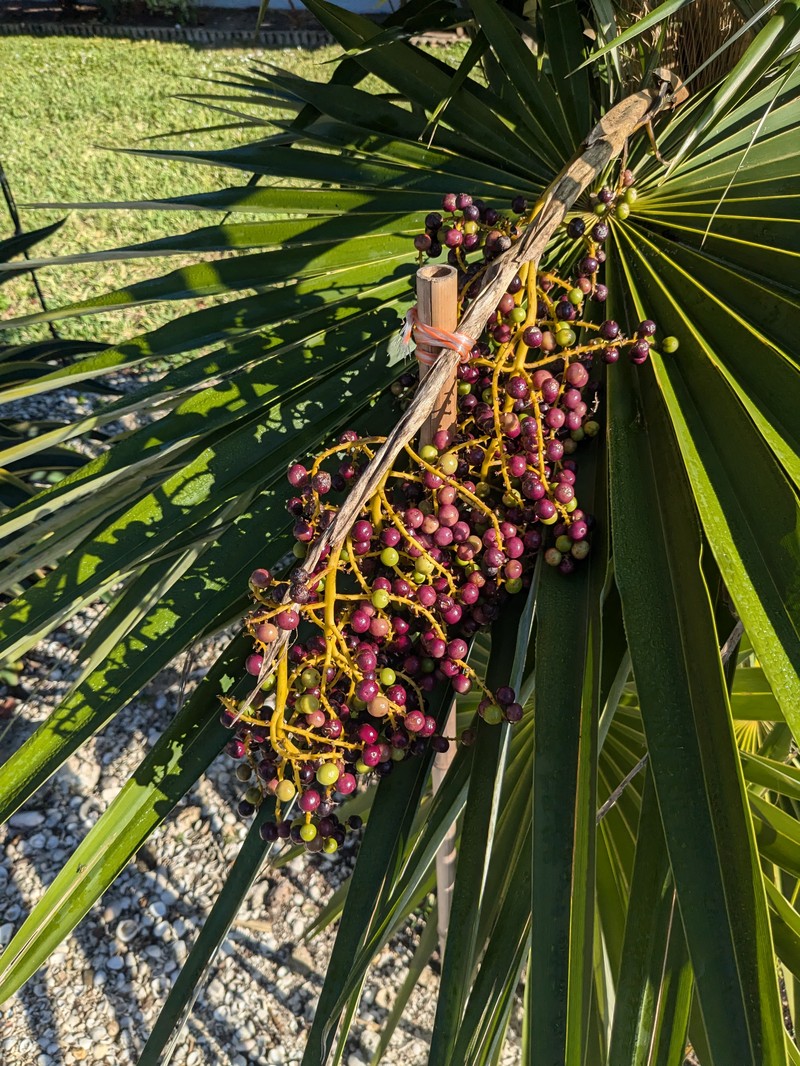
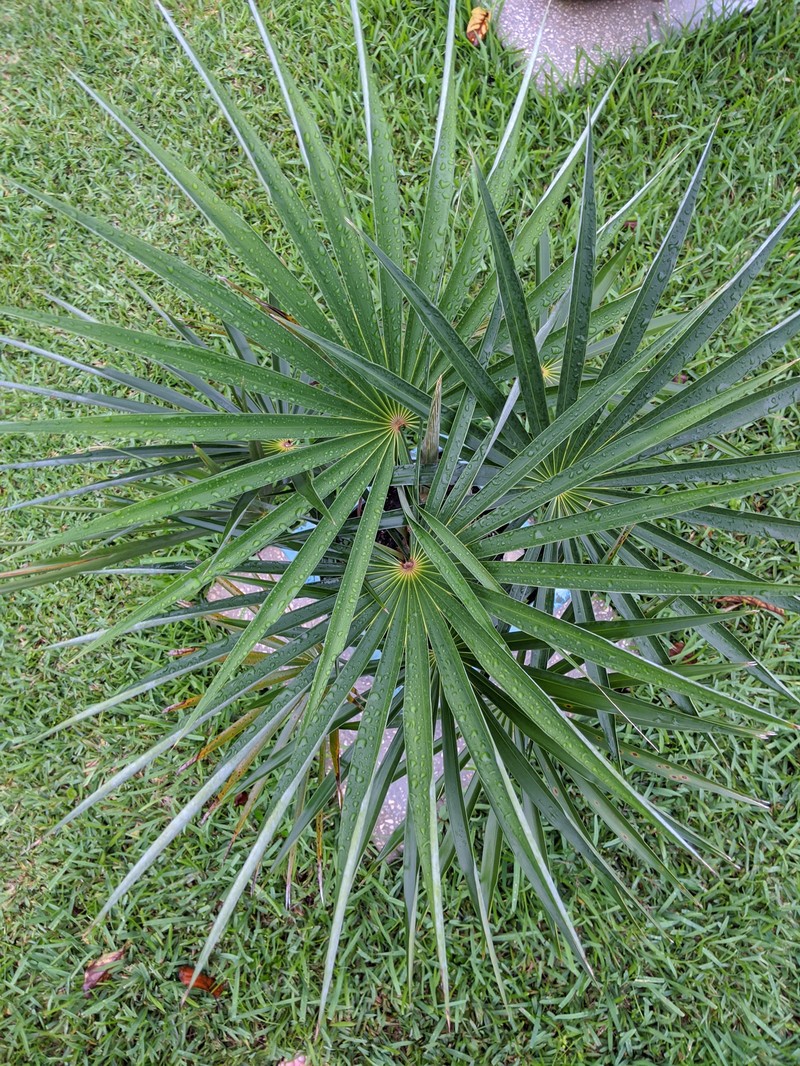
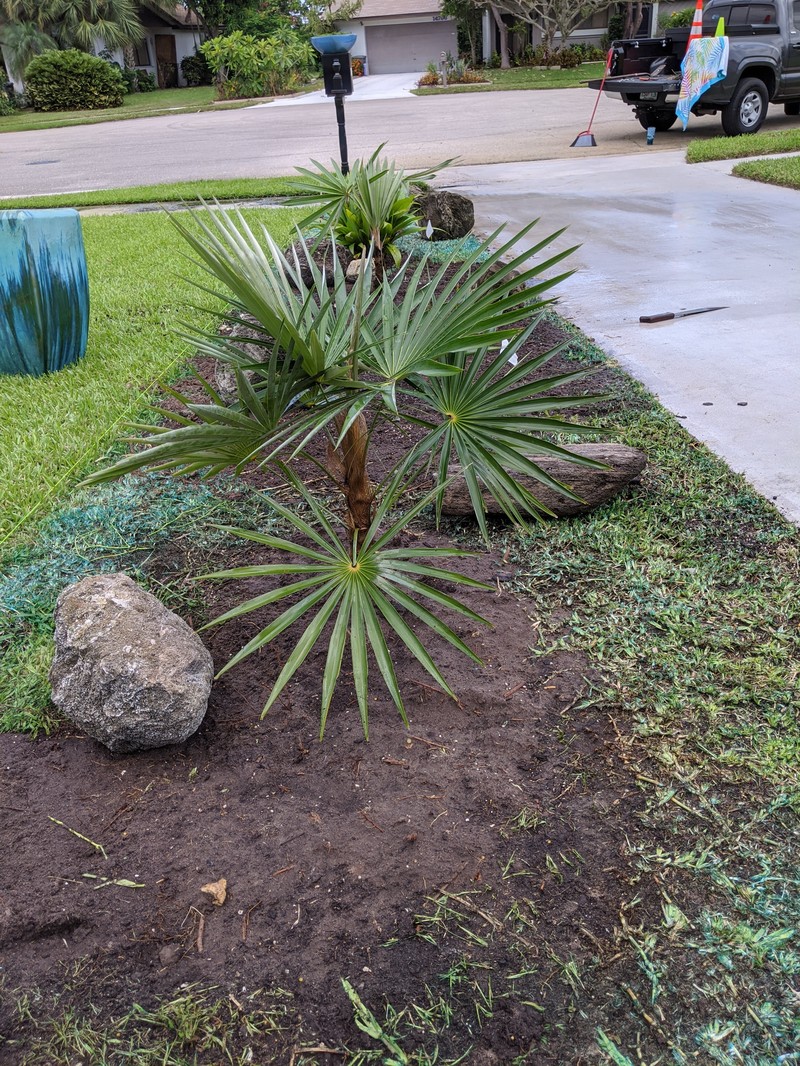
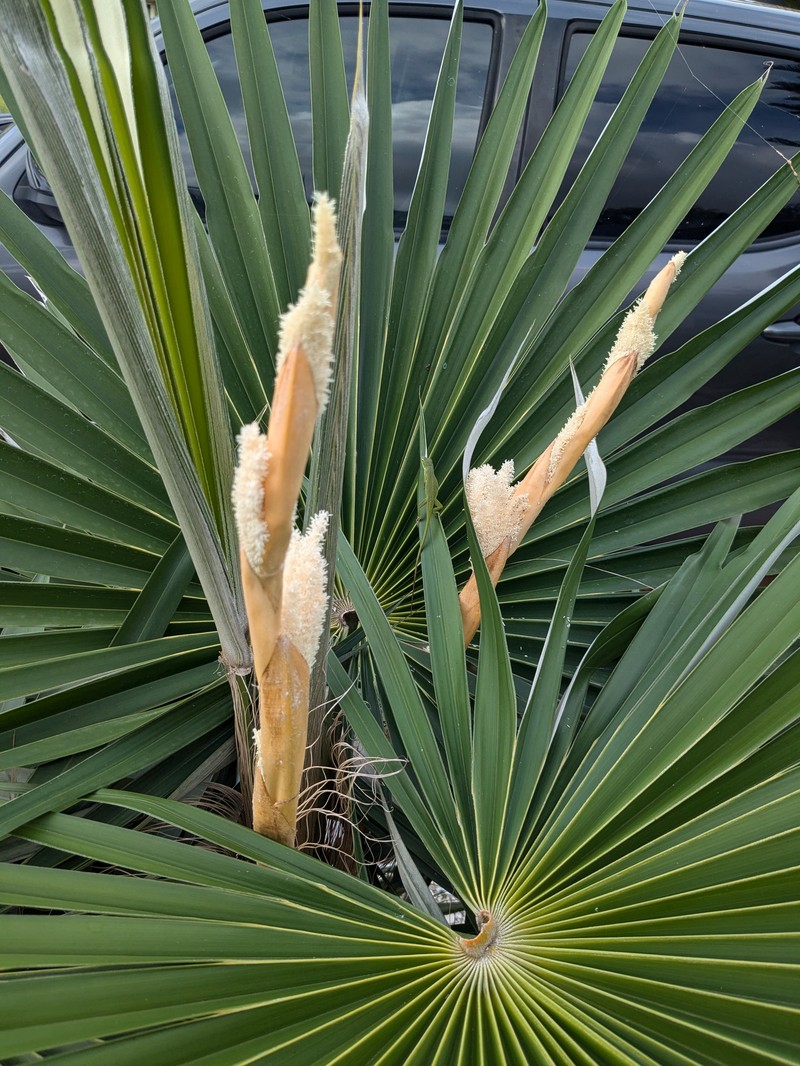
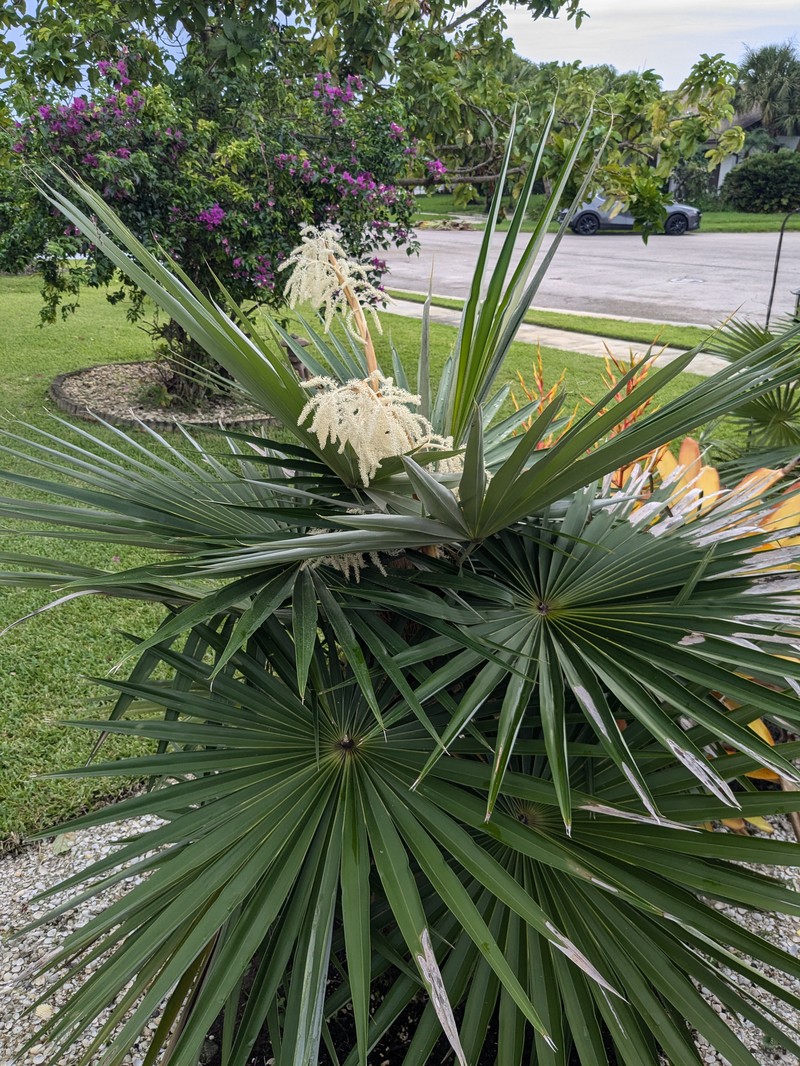
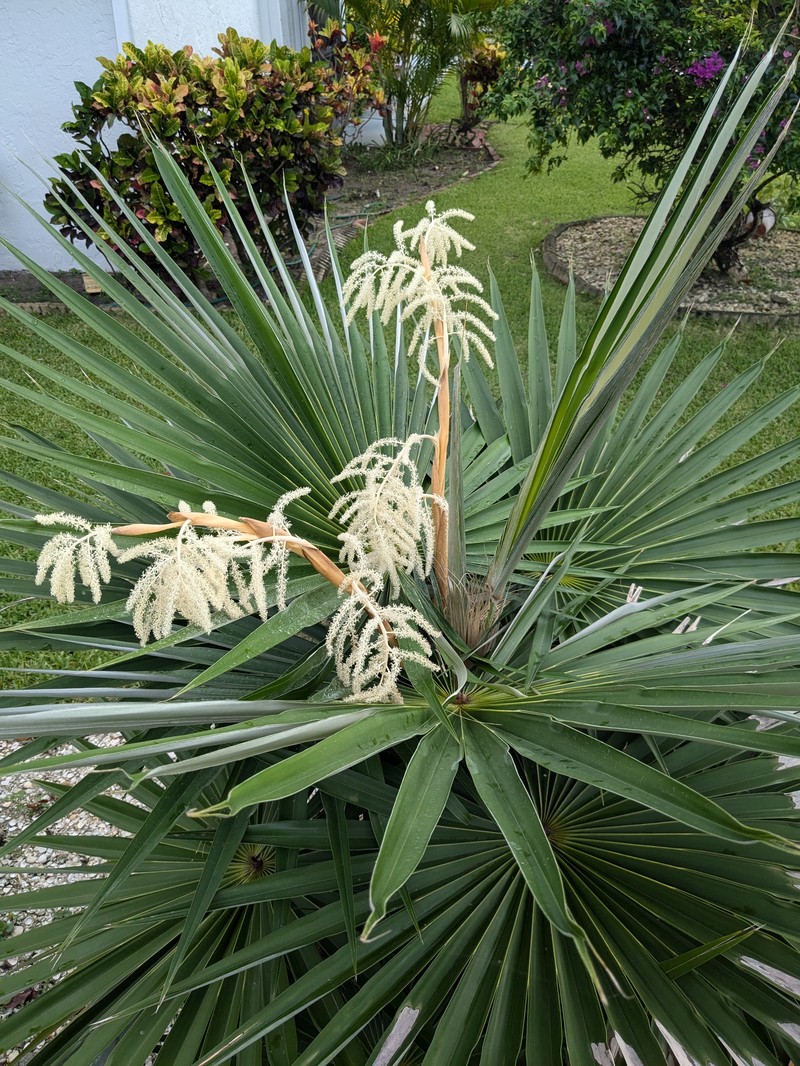
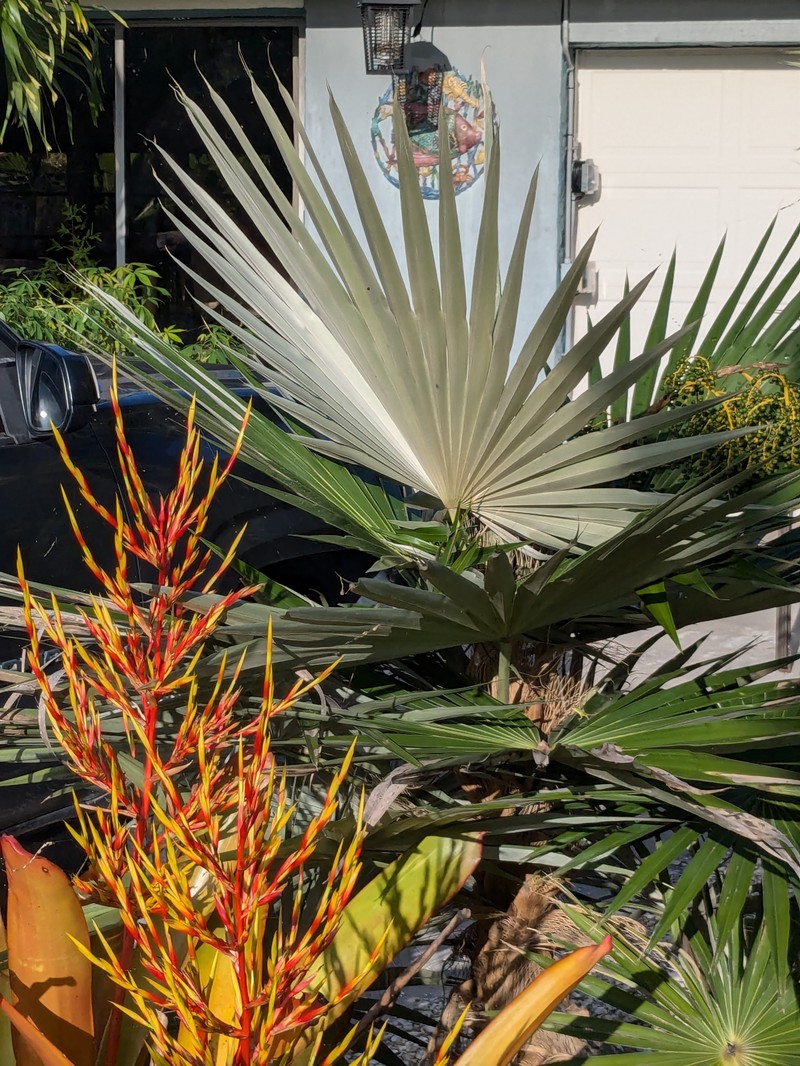
A small, solitary fan palm typically 3–6 m tall with a slender trunk 8–12 cm in diameter. Leaves palmate, 1–1.2 m wide, green above and densely silvery beneath; petioles 50–80 cm, unarmed. Inflorescences interfoliar, shorter than the leaves, bearing small white to yellowish flowers. Fruits globose, ~1 cm in diameter, ripening black. 1
Distribution & Taxonomy
Endemic to Cuba, restricted to a small coastal zone in Matanzas Province (Sabana-Camaguey archipelago). Described as Coccothrinax borhidiana O.Muñiz in Moscosoa 2: 15 (1983). Named in honor of botanist Attila Borhidi. 23
Conservation Status
Assessed as Critically Endangered by the IUCN Red List. Wild population estimated at fewer than 100 individuals in an area of less than 1 km². Major threats include habitat loss from coastal development and human disturbance. 4
Regional Ecology
Confined to coastal sandy and rocky scrubland in exposed, saline habitats of northern Cuba. Plays a role in stabilizing coastal soils and providing habitat for fauna. 1
Community Notes
Rarely cultivated due to its conservation status and restricted wild range. Occasional specimens survive in botanical gardens; highly prized but seldom available to collectors. 1
Field Gallery
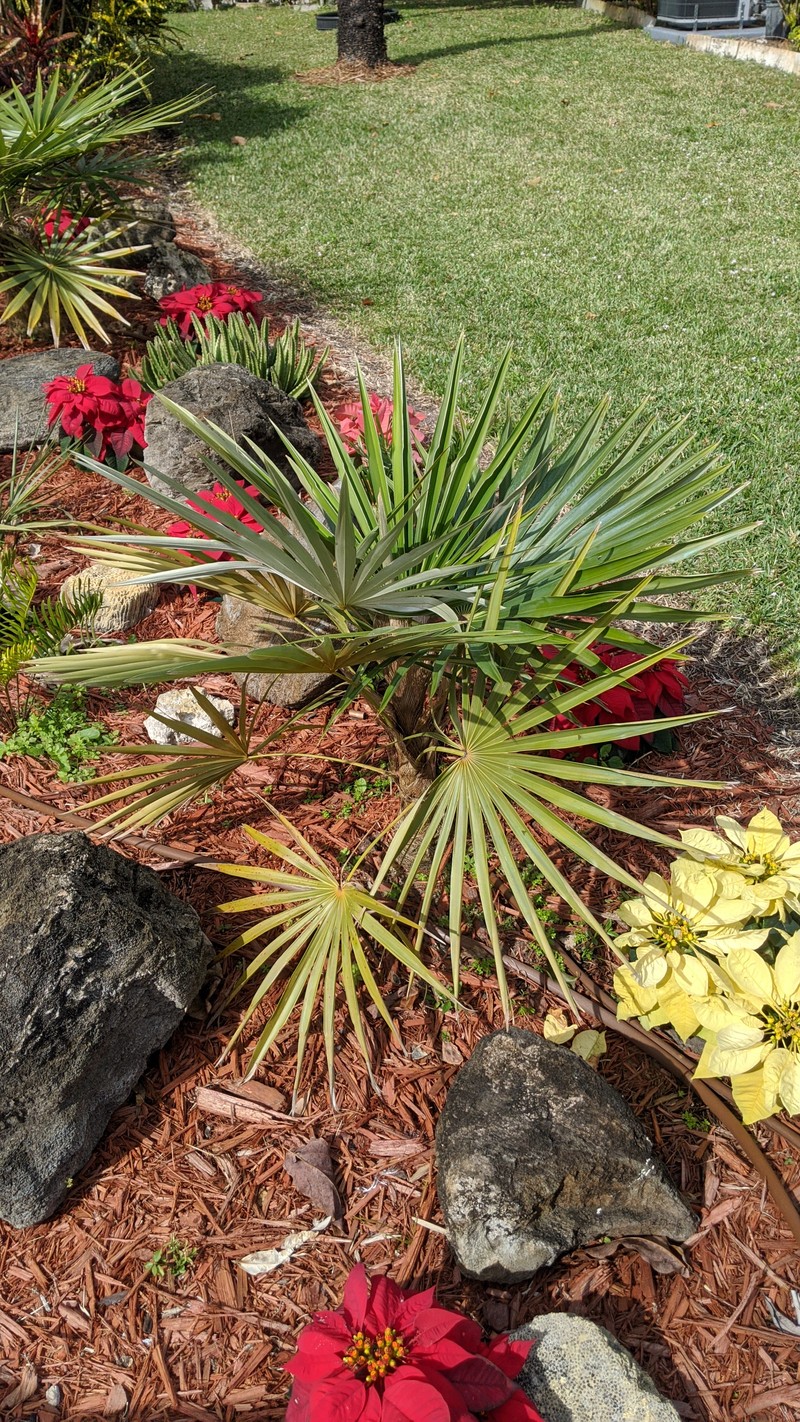
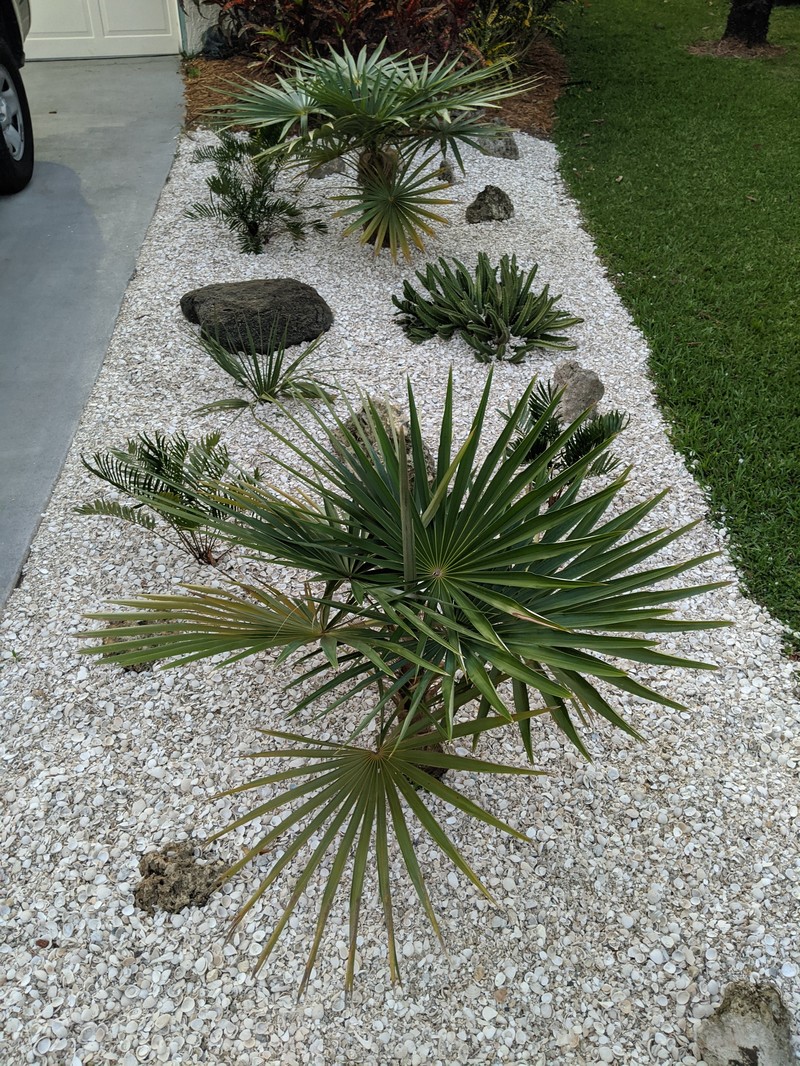
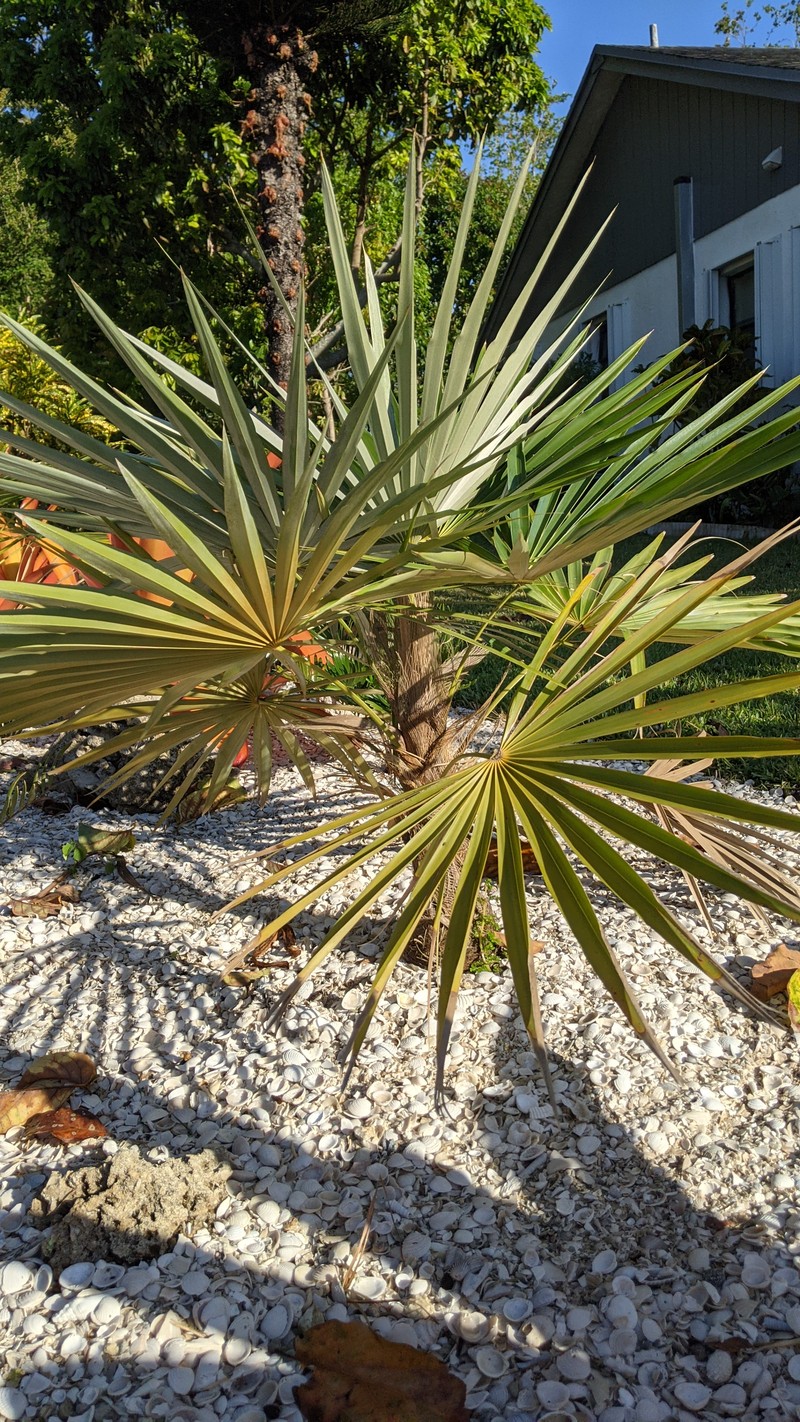
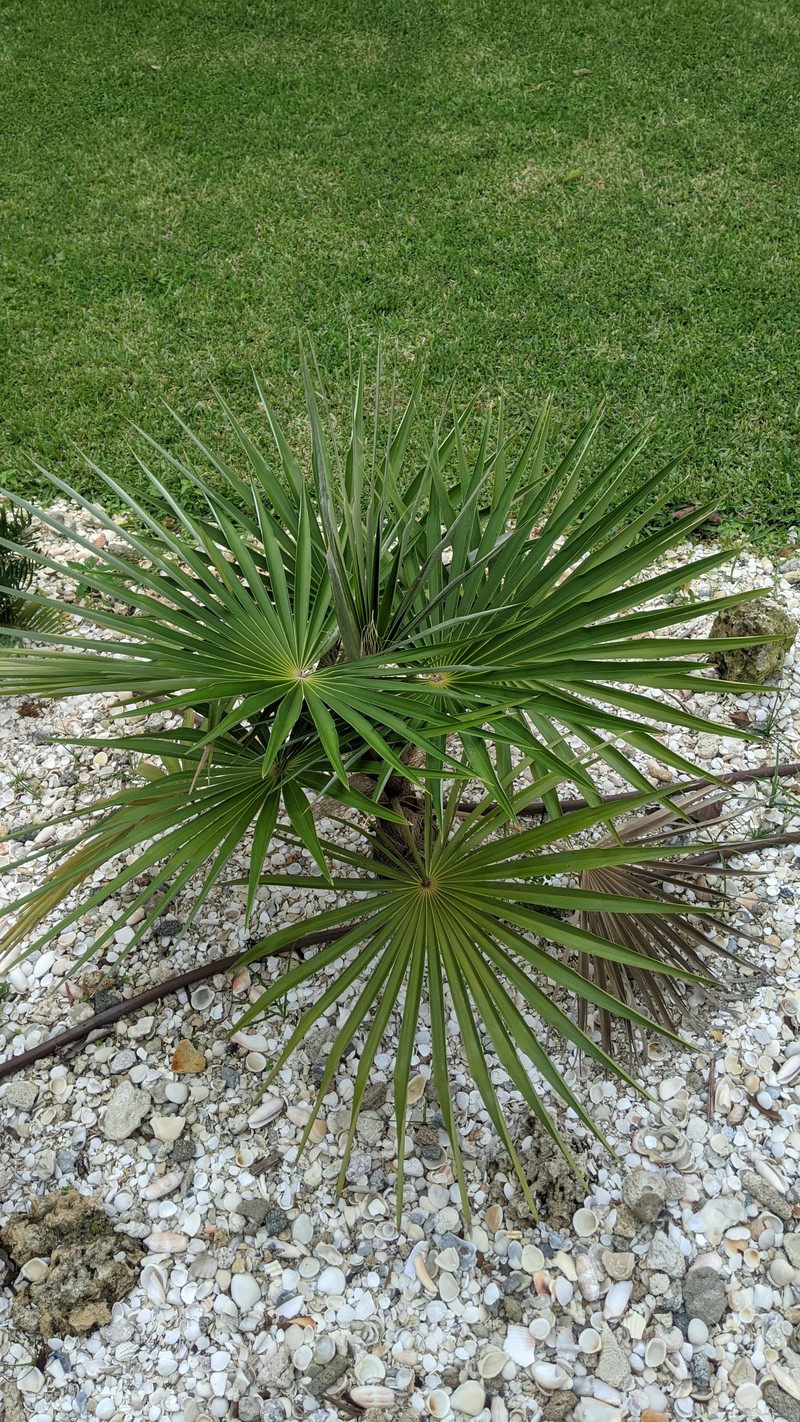
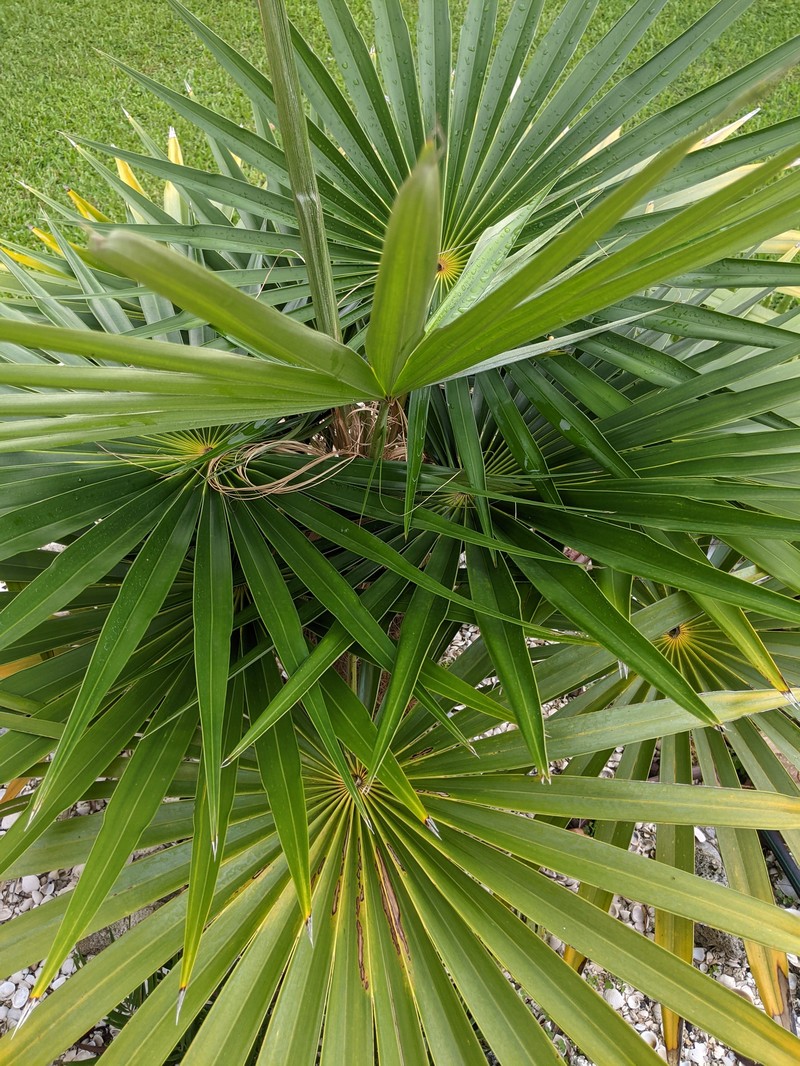
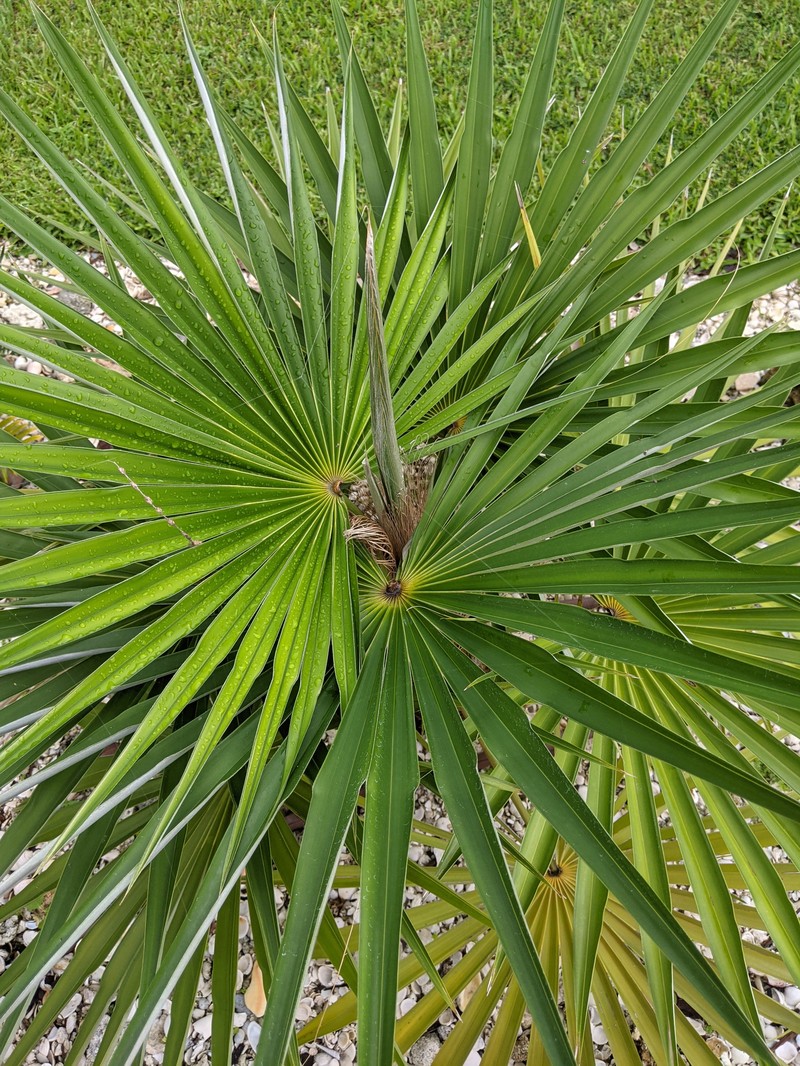
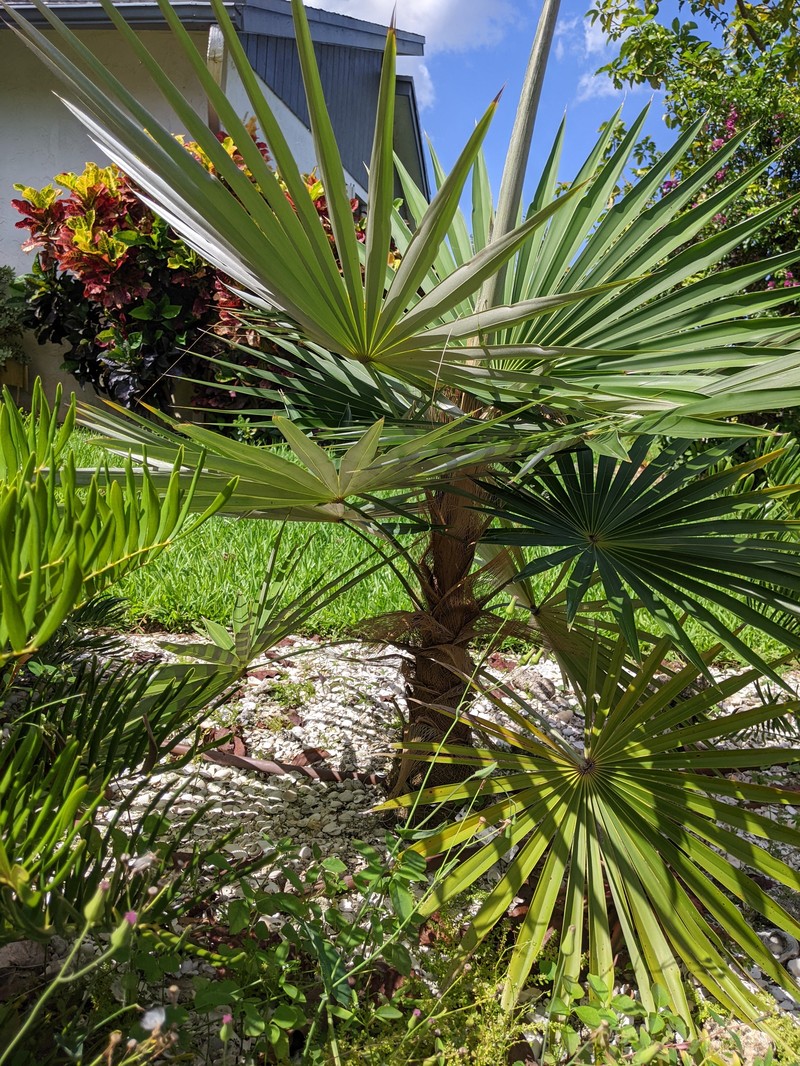
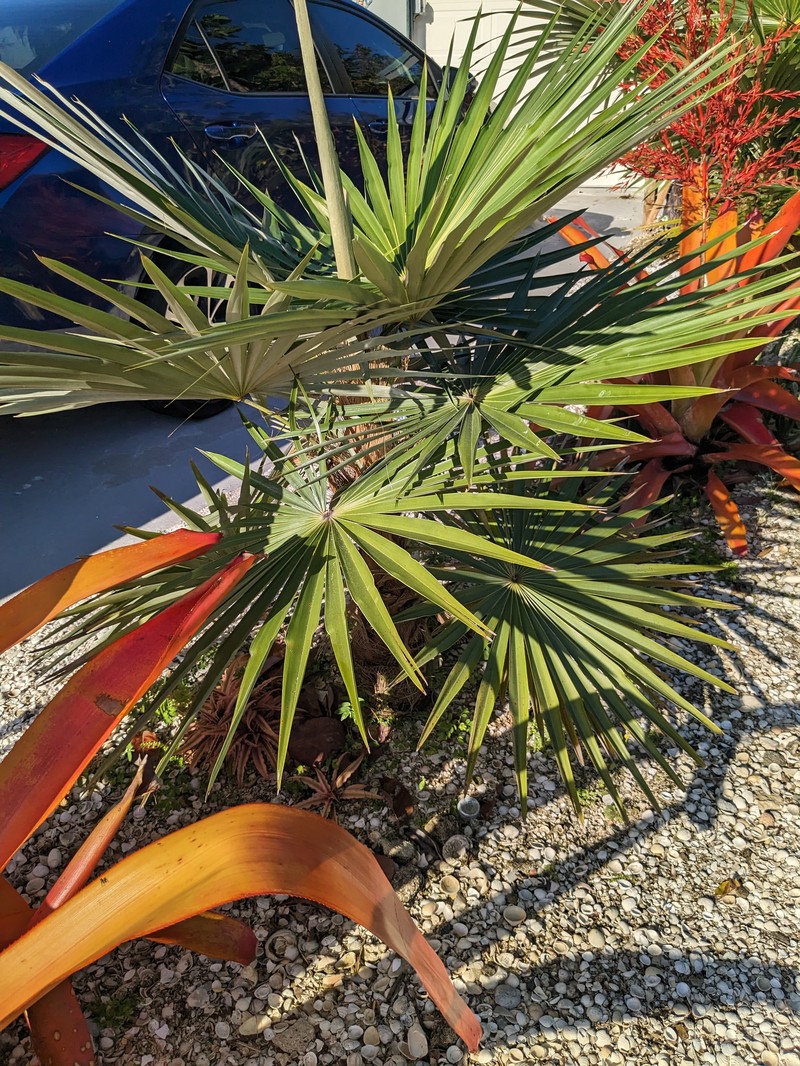
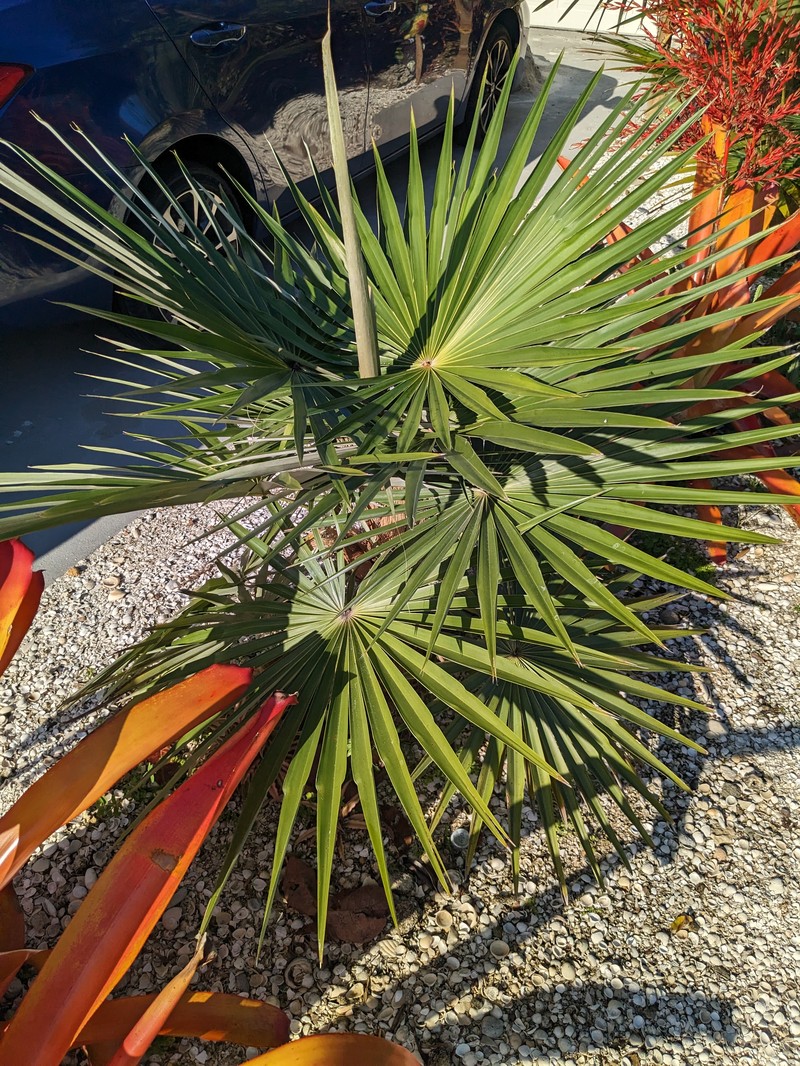
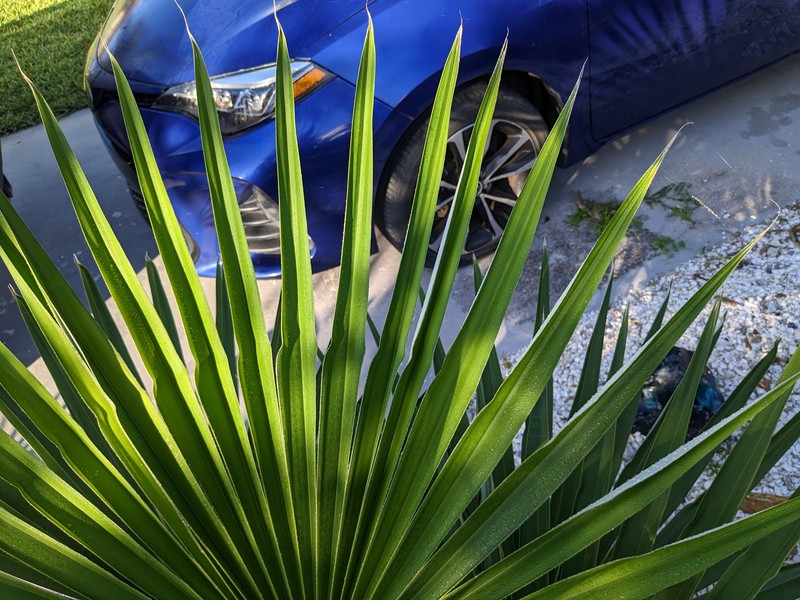
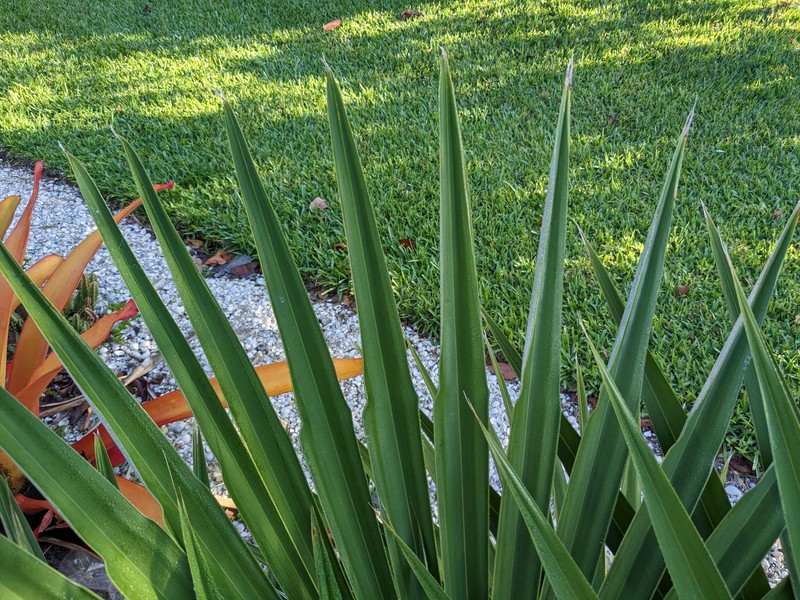
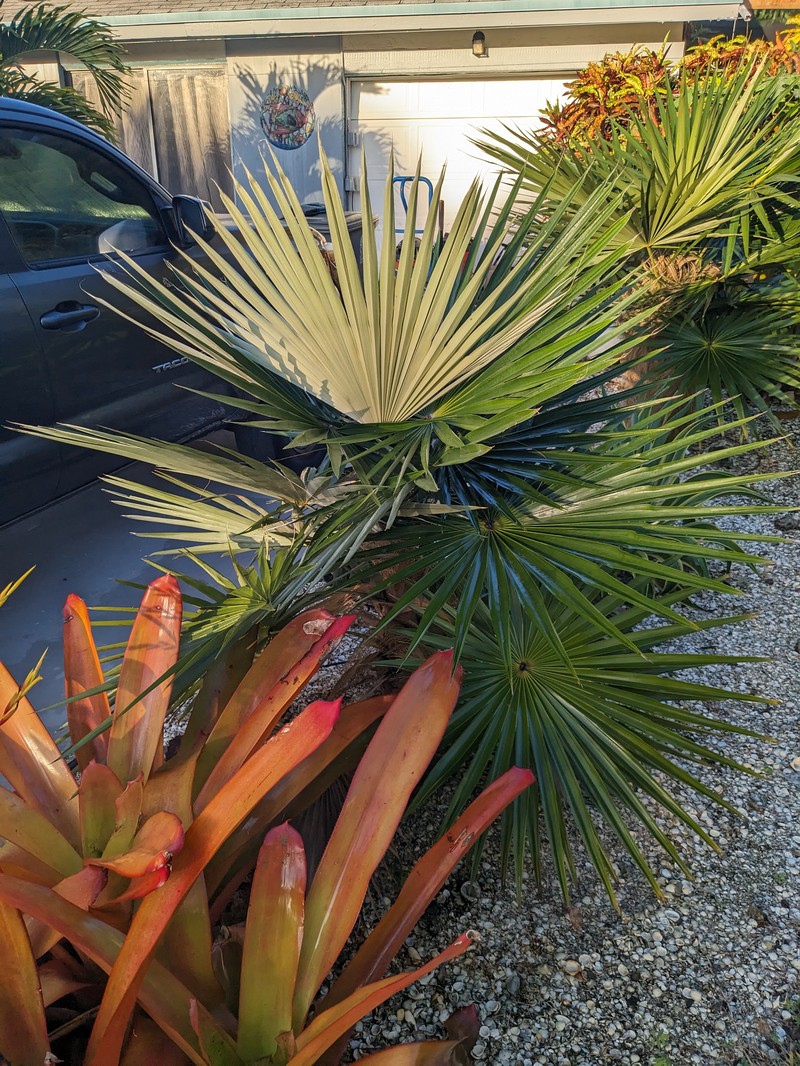
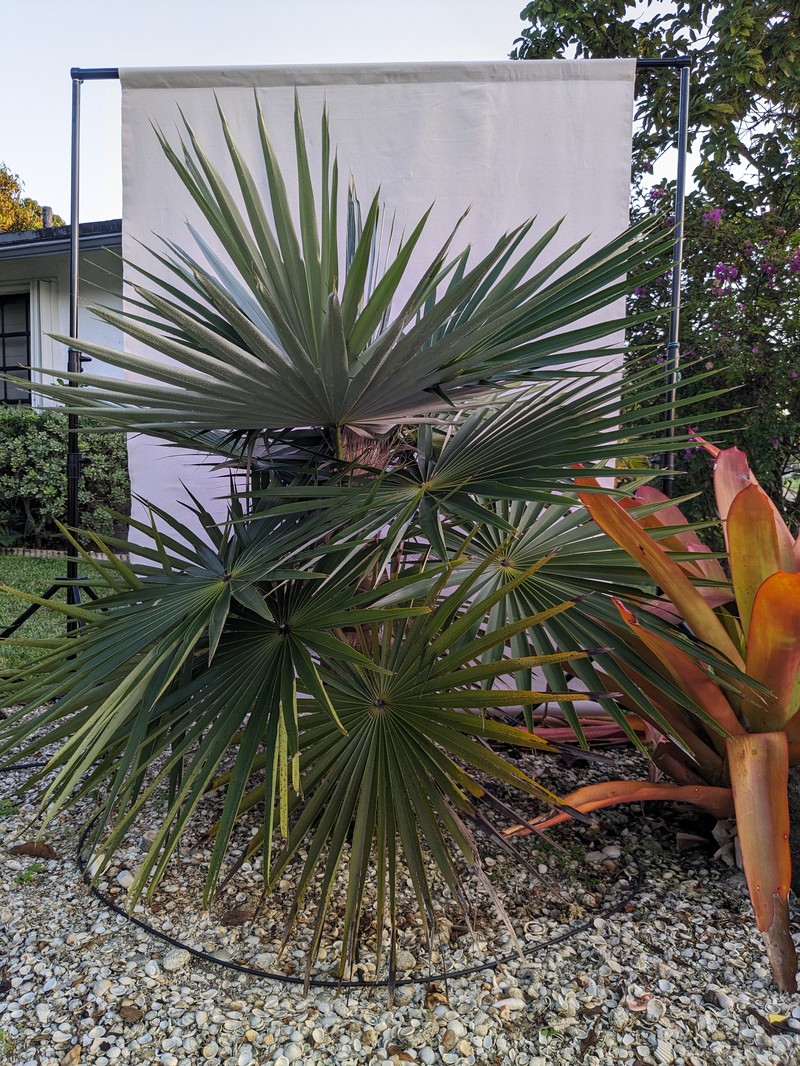
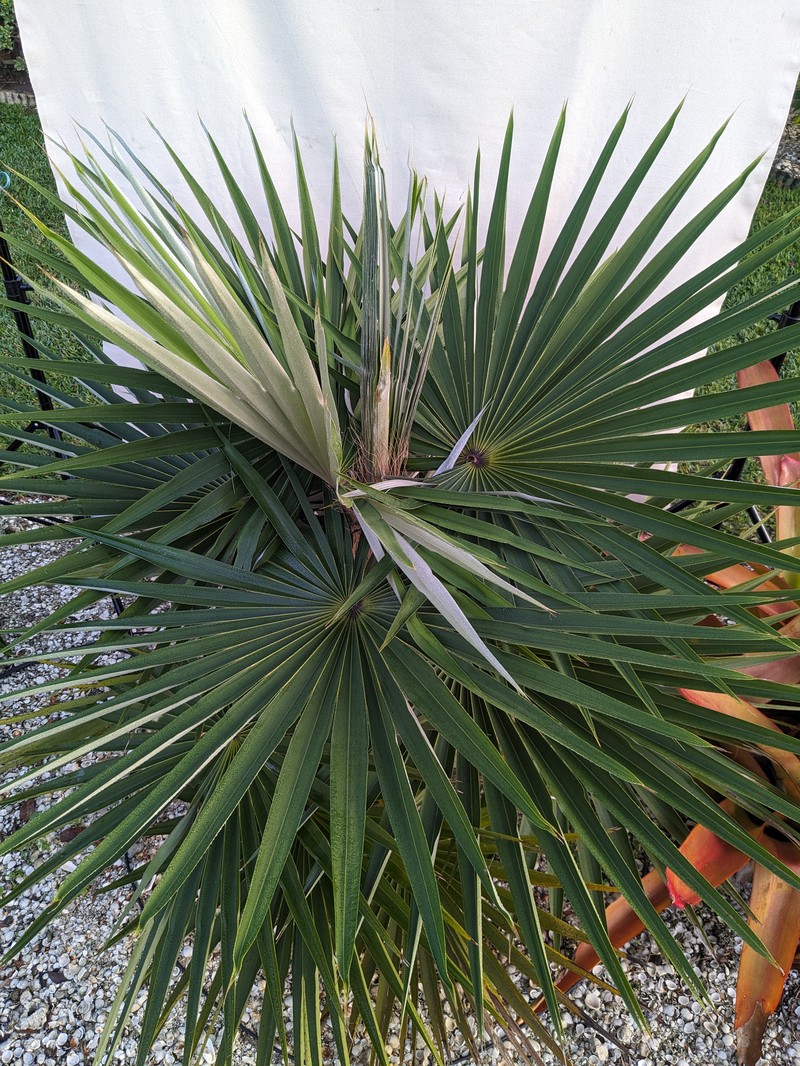
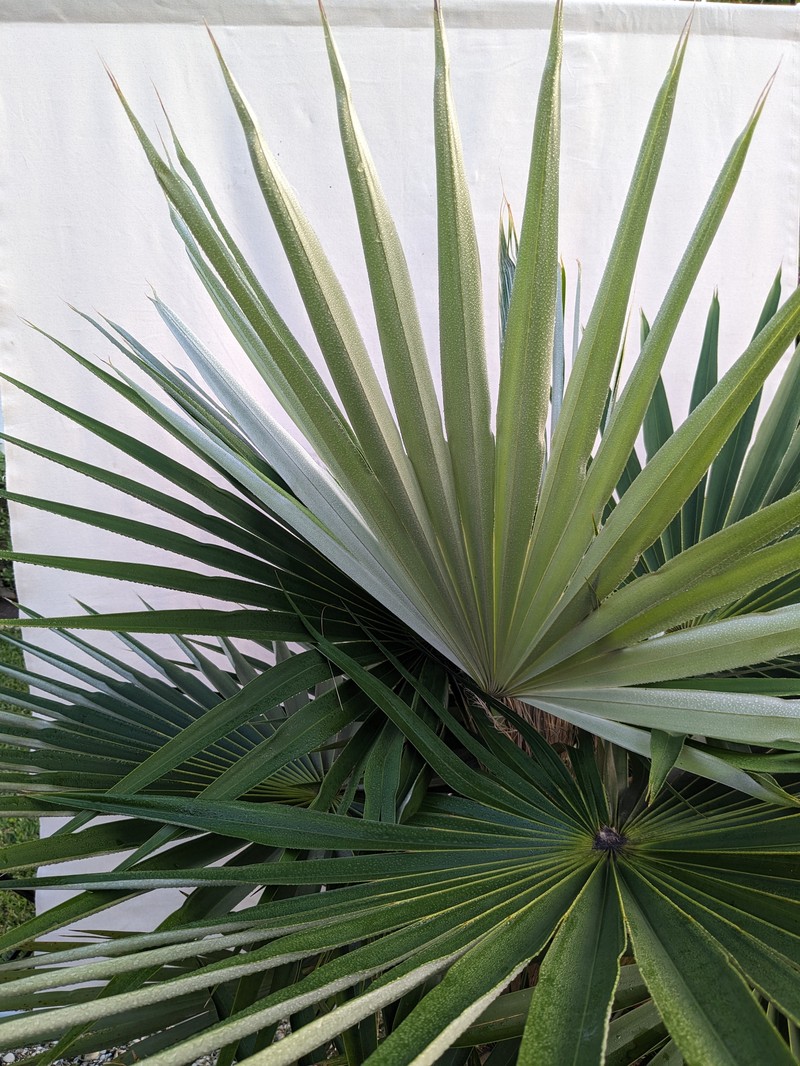
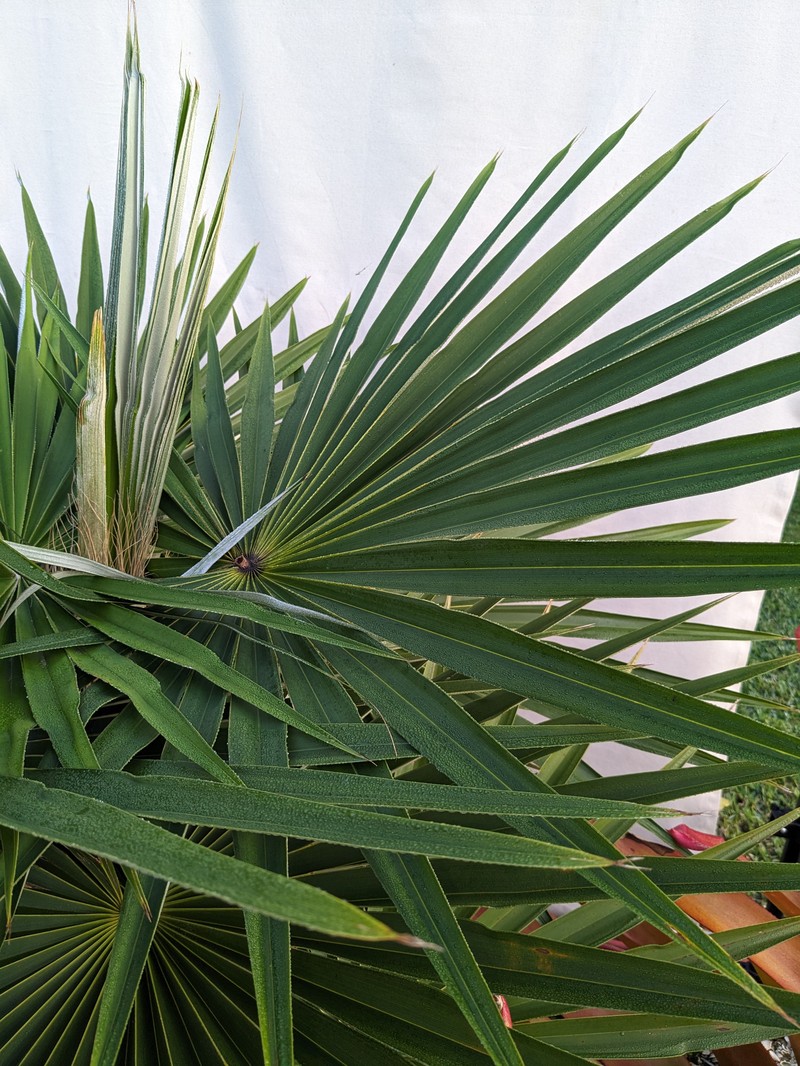
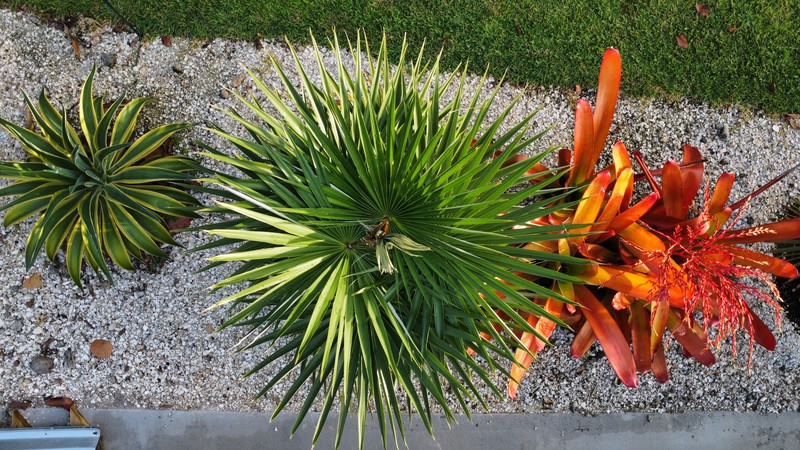
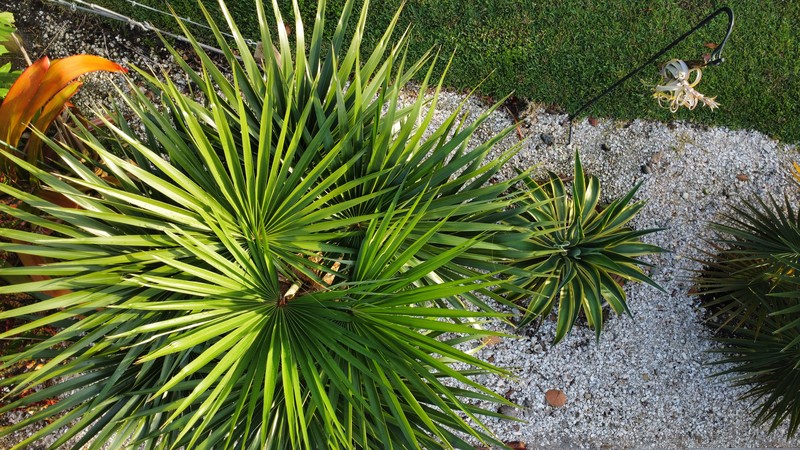
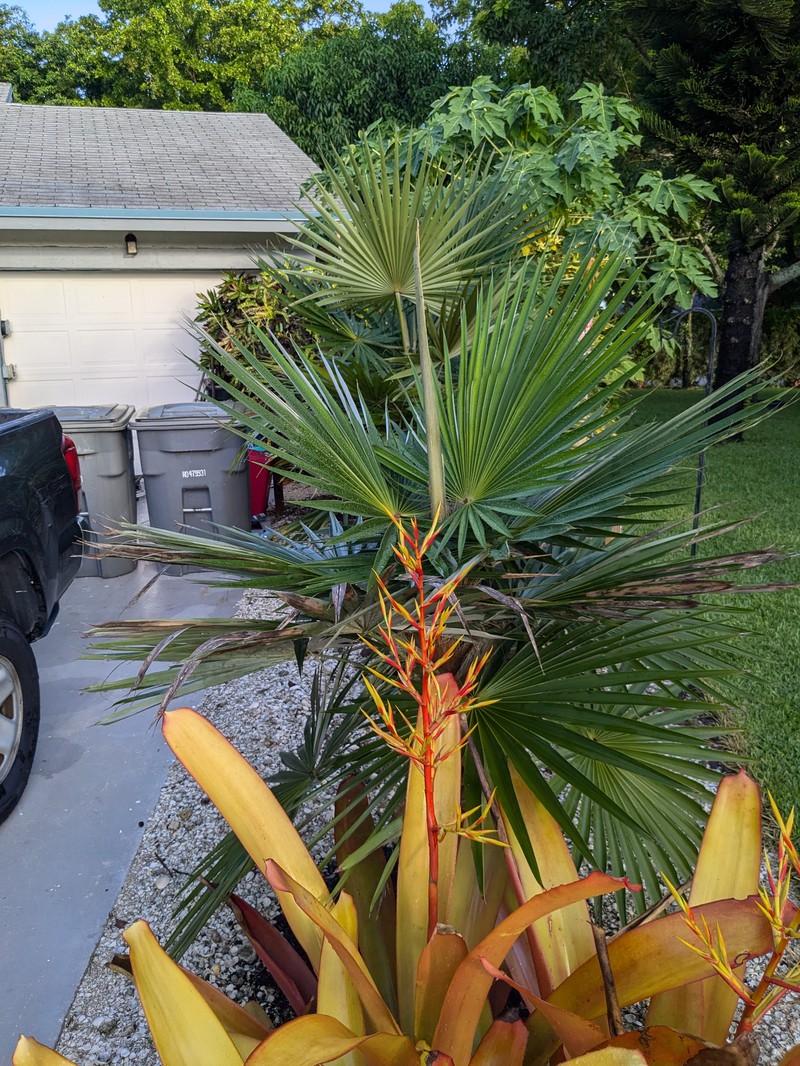
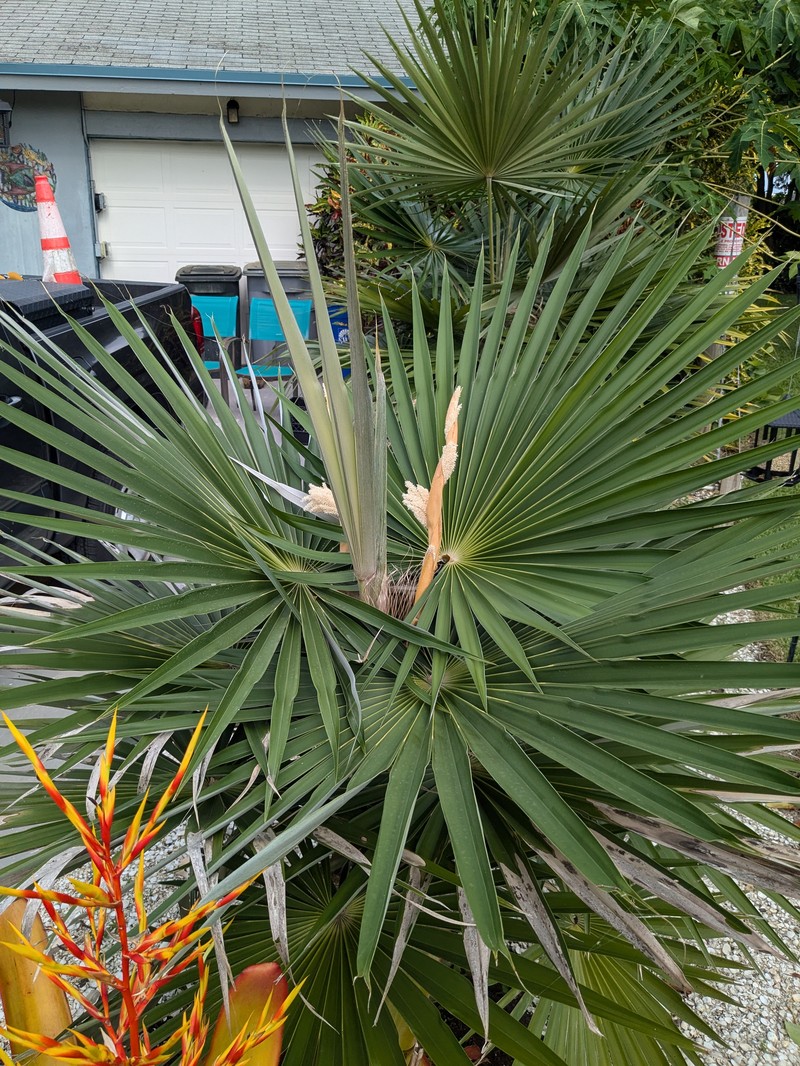
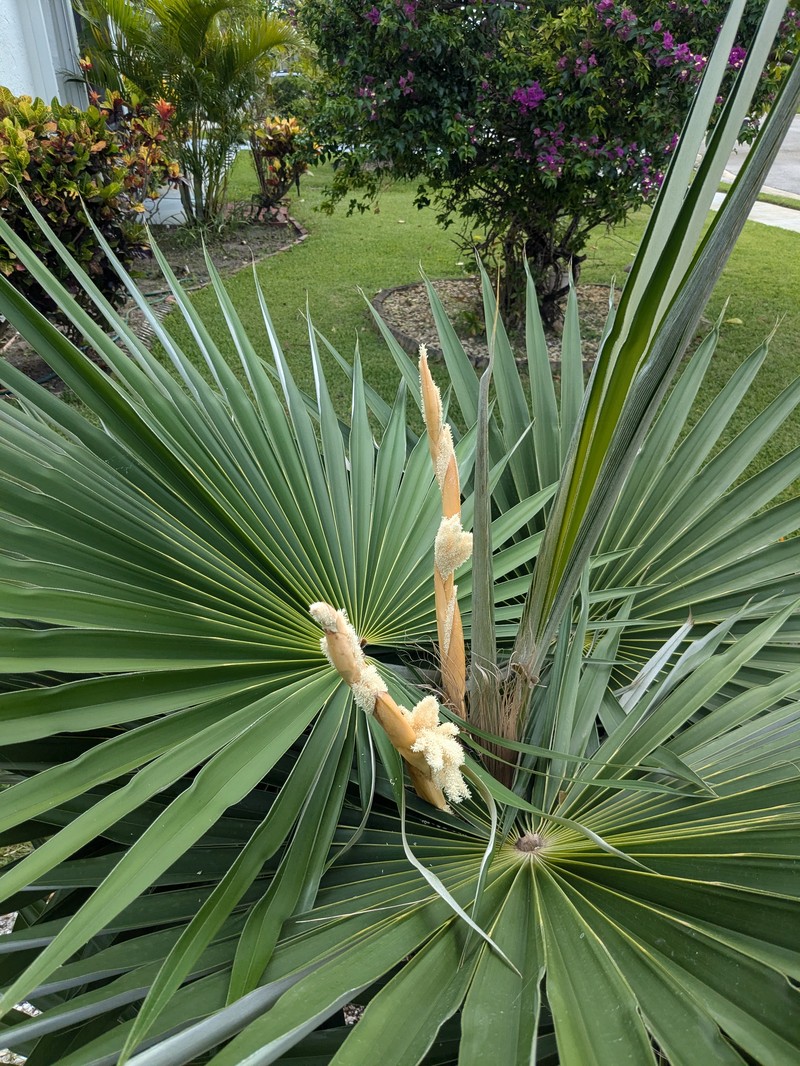
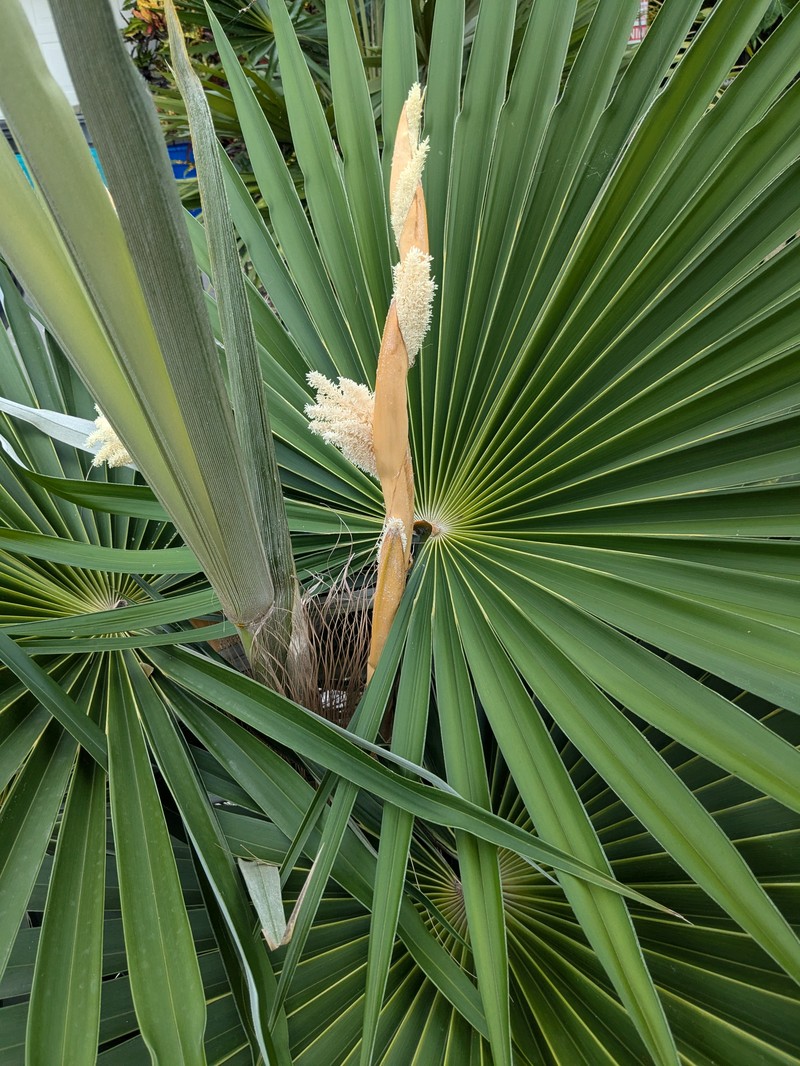
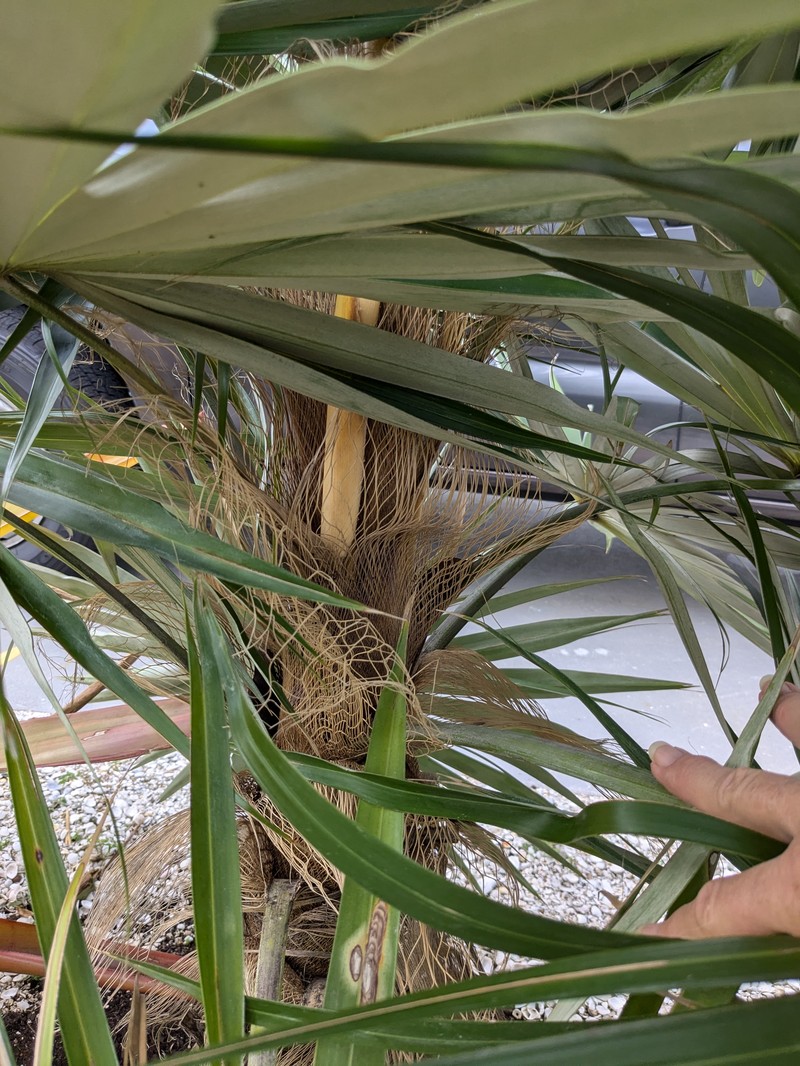
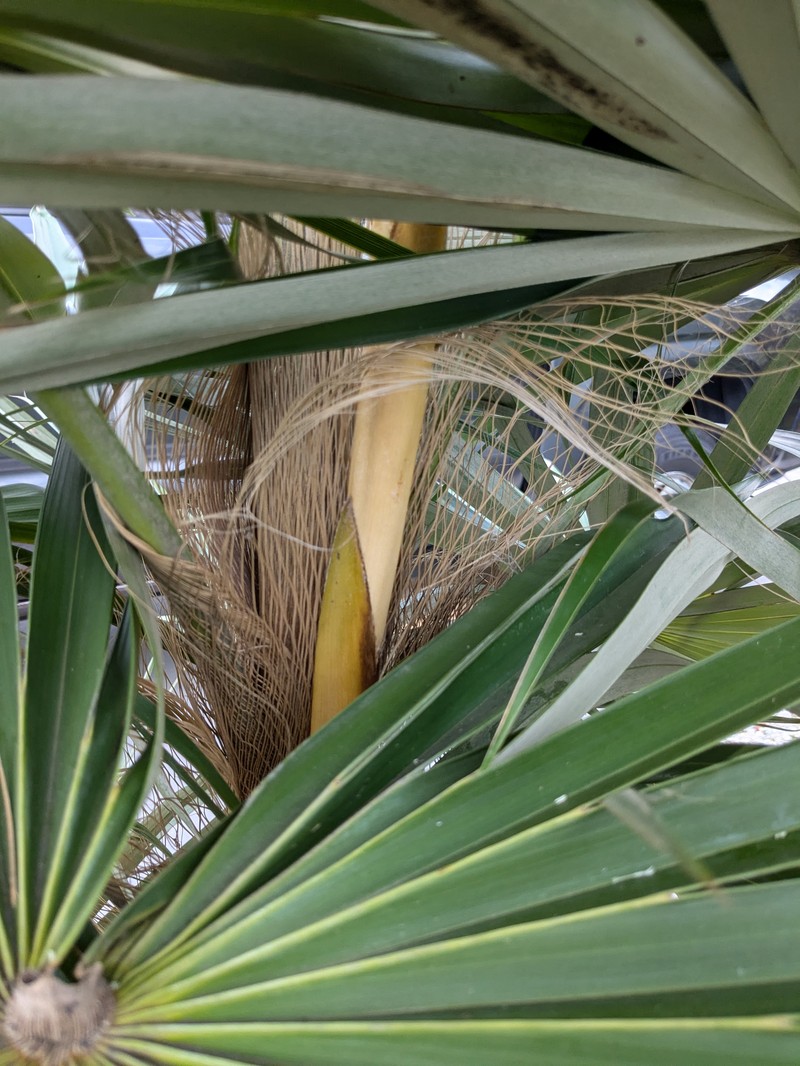
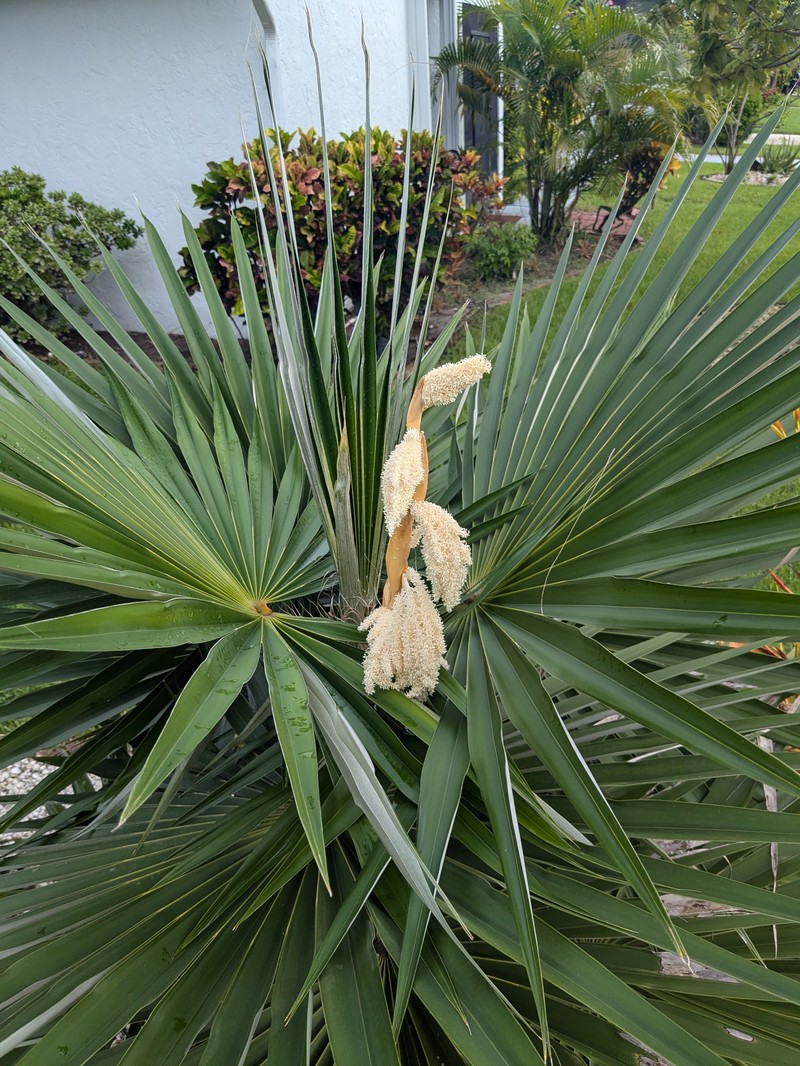
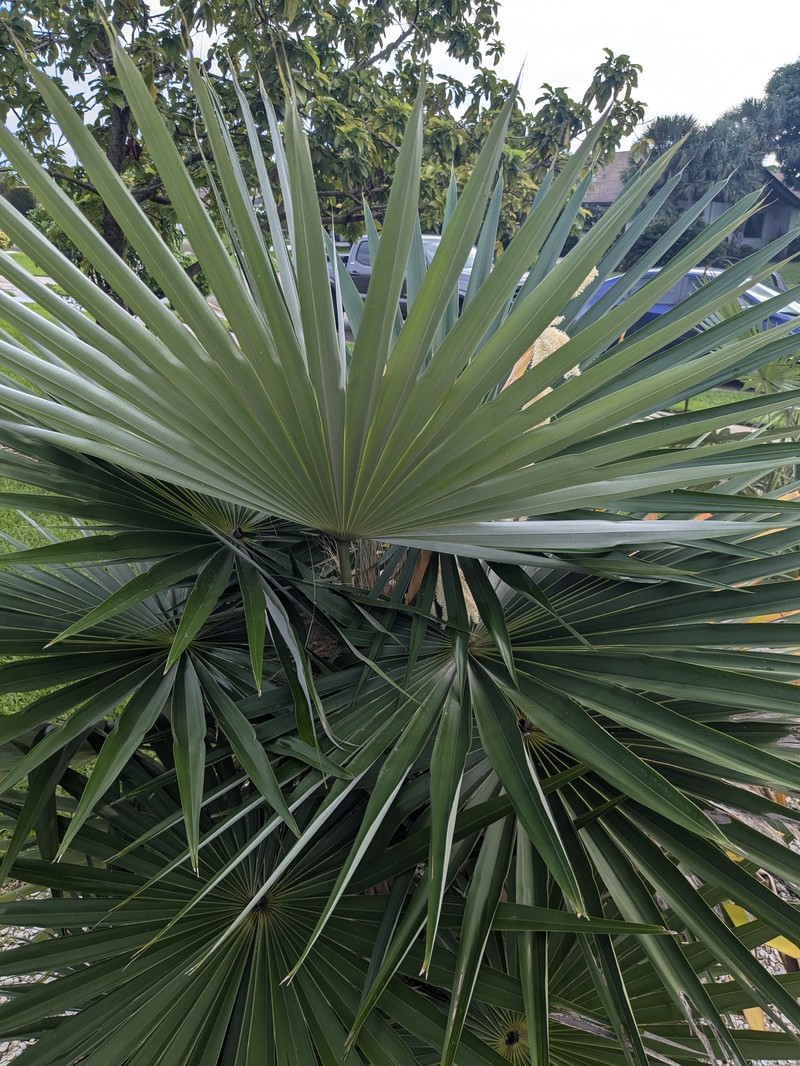
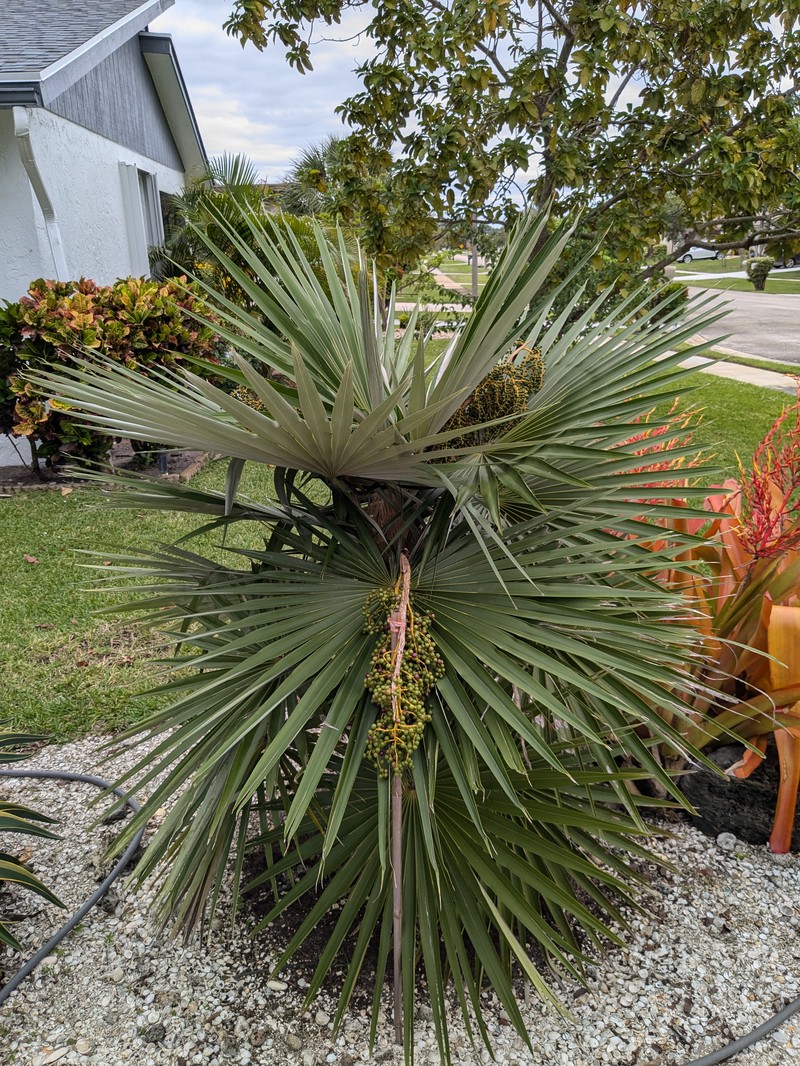
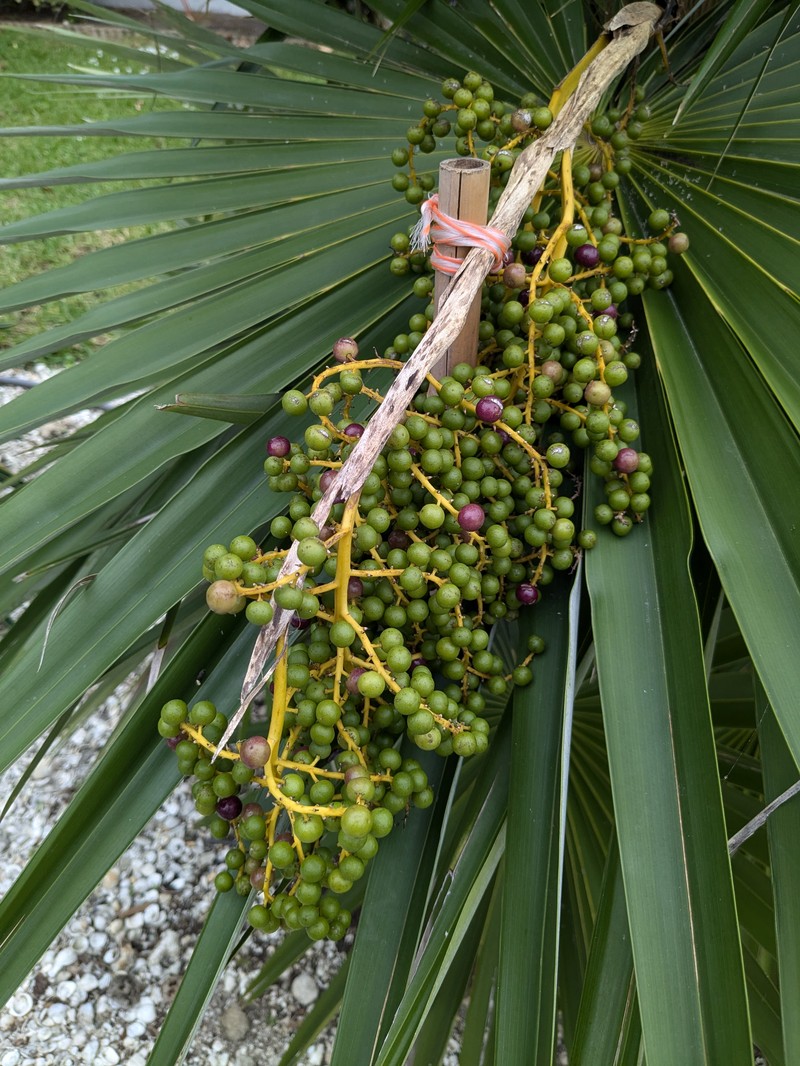
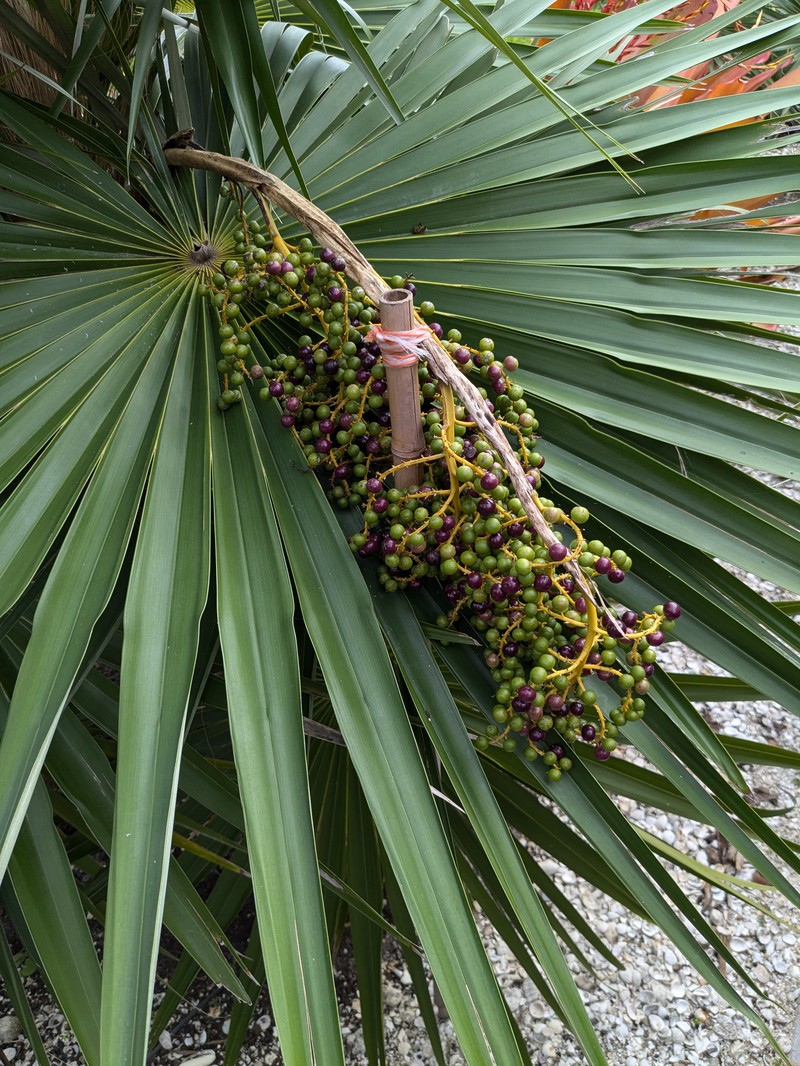
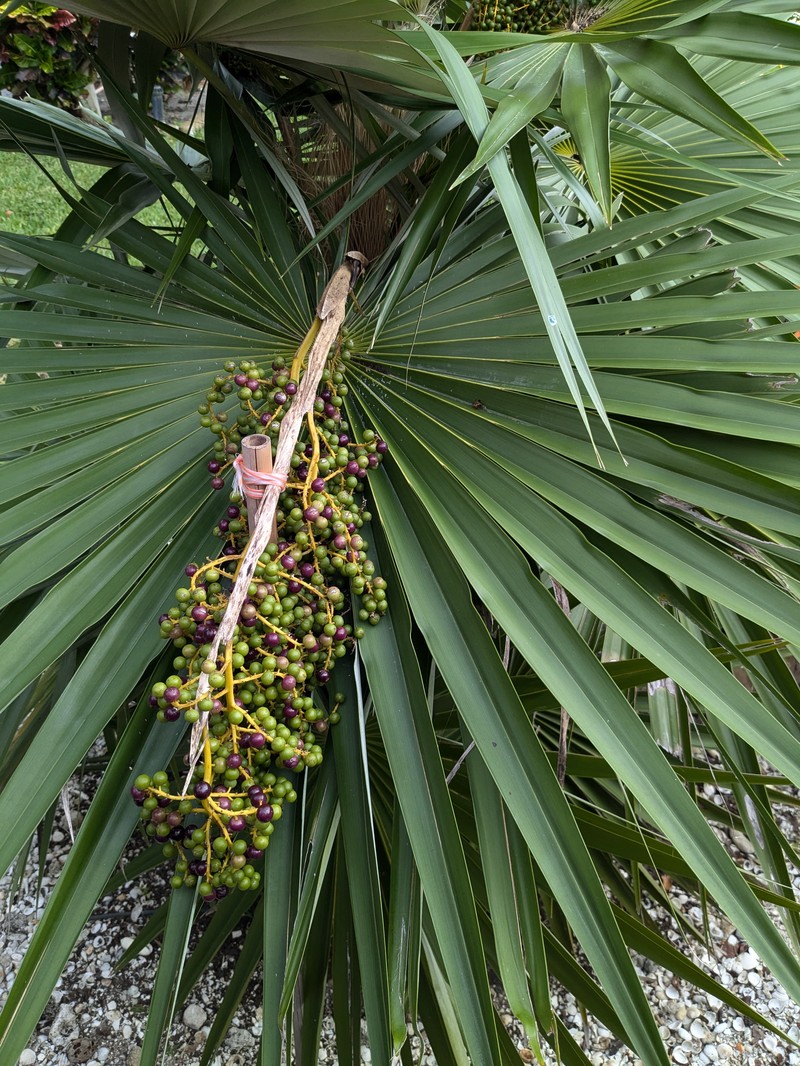
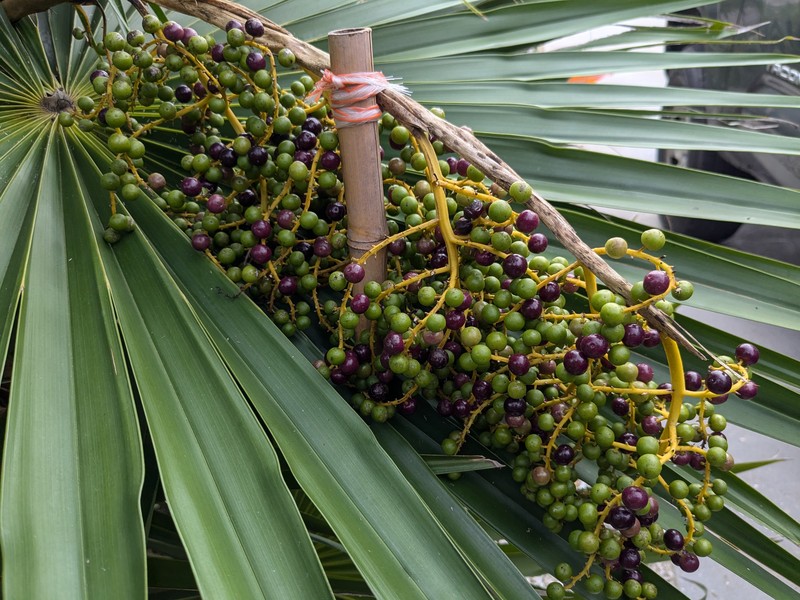
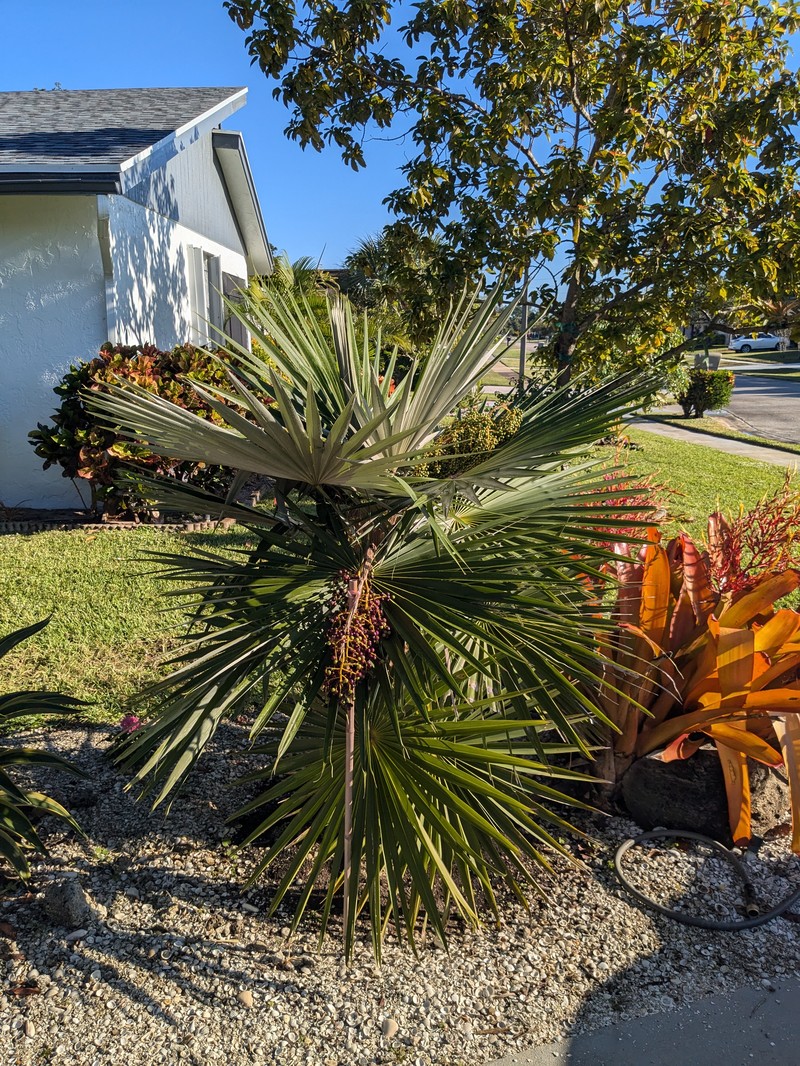
Sources
- Palmpedia. “Coccothrinax borhidiana.”
- POWO. “Coccothrinax borhidiana O.Muñiz.”
- IPNI. “Coccothrinax borhidiana O.Muñiz, Moscosoa 2: 15 (1983).”
- IUCN / BHL. “Critically Endangered — Cuban coastal palm assessments.”